
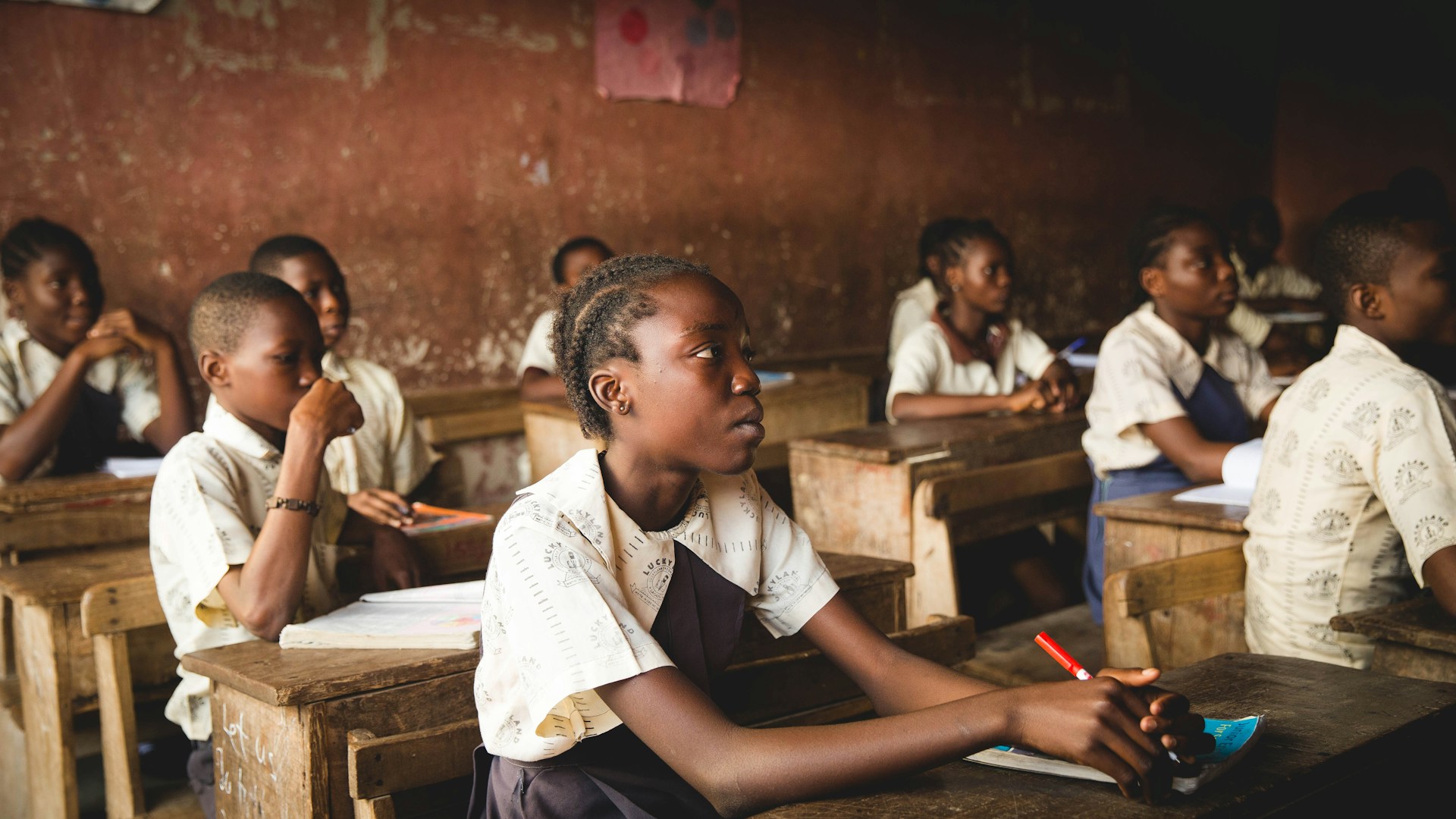
Limited education access and low health awareness perpetuate poverty and disease cycles. Community-driven efforts can complement government programs effectively.
Challenges include out-of-school children, poor infrastructure, teacher shortages, and misinformation on issues like vaccination, hygiene, malaria, and nutrition.
Solutions: Community schools, adult literacy classes, school feeding, health campaigns via town criers and religious platforms, and partnerships with NGOs for awareness on HIV, maternal health, and sanitation.
Integrated approaches linking schools with health education yield better outcomes. Empowered communities raise healthier, more educated generations.
Education and health are intertwined foundations of community well-being. In Nigeria, uneven access to quality education and low public health awareness perpetuate cycles of poverty, disease, and inequality. Communities that actively bridge these gaps create healthier, more empowered futures.
Barriers to education include distance to schools, costs (even “free” education has hidden fees), poor infrastructure, teacher absenteeism, and cultural factors like early marriage for girls. Rural and northern areas lag most. Public health awareness suffers from misinformation, low literacy, inadequate sanitation knowledge, vaccine hesitancy, and poor nutrition understanding. Diseases like malaria, cholera, typhoid, and preventable child illnesses thrive where awareness is weak.
Community-level interventions yield results. Parent-Teacher Associations (PTAs) monitoring attendance and advocating repairs improve functionality. Adult literacy classes combined with health education on hygiene, family planning, and disease prevention multiply impact. Local health campaigns town hall sensitizations, drama groups, market outreaches, and religious platforms disseminate messages in native languages with cultural resonance.
Community health workers and volunteers extend reach where clinics are distant. They promote breastfeeding, immunization, handwashing, and malaria prevention. School-based programs teaching basic health alongside academics build lifelong habits. Successful models integrate both: a renovated school with a borehole serves education and reduces waterborne diseases.
Challenges persist: poverty limiting participation, gender norms restricting girls, conflict disrupting services, and funding shortages. Digital divides hinder modern awareness efforts.
Communities counter these by mobilizing resources communal labor for school repairs, scholarships from cooperatives, or partnerships with NGOs for books and training. Diaspora remittances fund projects. Inclusive planning ensures marginalized groups (persons with disabilities, ethnic minorities) are included.
Benefits ripple widely. Educated populations make better health decisions, leading to lower fertility rates, higher productivity, and reduced disease burden. Healthy children learn more effectively. Aware communities demand better services, holding government accountable.
When communities champion learning and wellness, they don’t just access services; they transform their collective destiny.
The synergy is powerful. A community with strong education access and health awareness breaks poverty cycles faster. It produces informed citizens who innovate, participate democratically, and build resilience against outbreaks or economic shocks.
Nigeria cannot rely solely on federal or state ministries. Grassroots ownership through local education committees, health awareness clubs, and integrated development plans accelerates progress. When communities champion learning and wellness, they don’t just access services; they transform their collective destiny.